29 Oct
The short answer: SEO for tour operators comes down to four jobs. Keep your Google Business Profile complete and active. Build one page for each trip, place and season people search. Make those pages fast and easy to book from. Then earn mentions and reviews that prove you are real. Guides and outfitters who do this steady work show up for the searches that turn into bookings.
1. Start with the searches that book trips
Tour operator SEO is not about ranking for “fishing” or “hunting.” It is about the narrow searches people type when they are ready to pay. Think “half day float trip” plus your town, “guided elk hunt” plus your unit, or “zipline tour near” a park.
Write down every trip you sell. Next to each one, list the place names, species, seasons and trip lengths a guest would use to describe it. That list becomes your page plan.
- Trip type: half day, full day, multi-day, private, group, family.
- Place: the river, lake, mountain range, park or town closest to where you meet guests.
- Target: the species, game or experience, such as trout, redfish, elk, waterfowl or whitewater.
- Season: the months or events tied to the trip, such as spring runs, fall rut or summer hatches.
Pick the gaps first. If your July trips fill on their own, spend your effort on the shoulder-season trips that sit empty.
2. Treat your Google Business Profile like a second homepage
For most local searches, the map results show up before the regular listings. Your Google Business Profile decides whether you appear there. It is free, and most operators leave half of it blank.
- Primary category: pick the most specific one that fits, such as “Fishing charter” or “Hunting guide service,” not a broad category.
- Services and products: list each trip with a short description and a price range.
- Service area and hours: set them to match how you actually run, including seasonal hours.
- Photos: add new ones every week in season. Real guests, real water, real gear.
- Reviews: ask every group, and answer every review, good or bad.
Our Google Business Profile service covers the setup details. If you only do one thing this winter, do this.
3. Build one page for each thing people search
A single “Trips” page with five trips on it can rank for almost nothing. Google needs a clear page to match each search. So does the guest.
Give each trip its own page. Then add place and season pages where you have real things to say. A good trip page answers the questions you hear on the phone every week.
- What the trip is, where you meet, and how long it runs.
- What it costs, what is included, and what guests bring.
- What they are likely to see or catch, by month.
- Who it suits: beginners, kids, groups, experienced clients.
- A clear Book button and your phone number.
Use the words guests use. If guests say “float trip,” use that phrase. Put the main phrase in the page title, first heading and first paragraph.
Fishing guides can see how this looks in practice in our fishing charter and guide SEO guide. Hunting outfitters can start with SEO for hunting guides.
4. Avoid pages that compete with each other
A common problem on guide sites is three or four pages chasing the same search. A blog post, a trip page and a homepage section all target “guided fly fishing” plus the town. Google picks one, often the wrong one, and the others sit idle.
Give each search one home. If an old blog post covers the same topic as a trip page, merge them or rewrite the post for a different question. Then link from the post to the trip page with plain words, such as “book a half day float.”
5. Fix the technical basics once
Technical SEO for a small operator is a short list. You do not need to chase every warning a tool shows you. You do need to make sure Google can find, load and understand your pages.
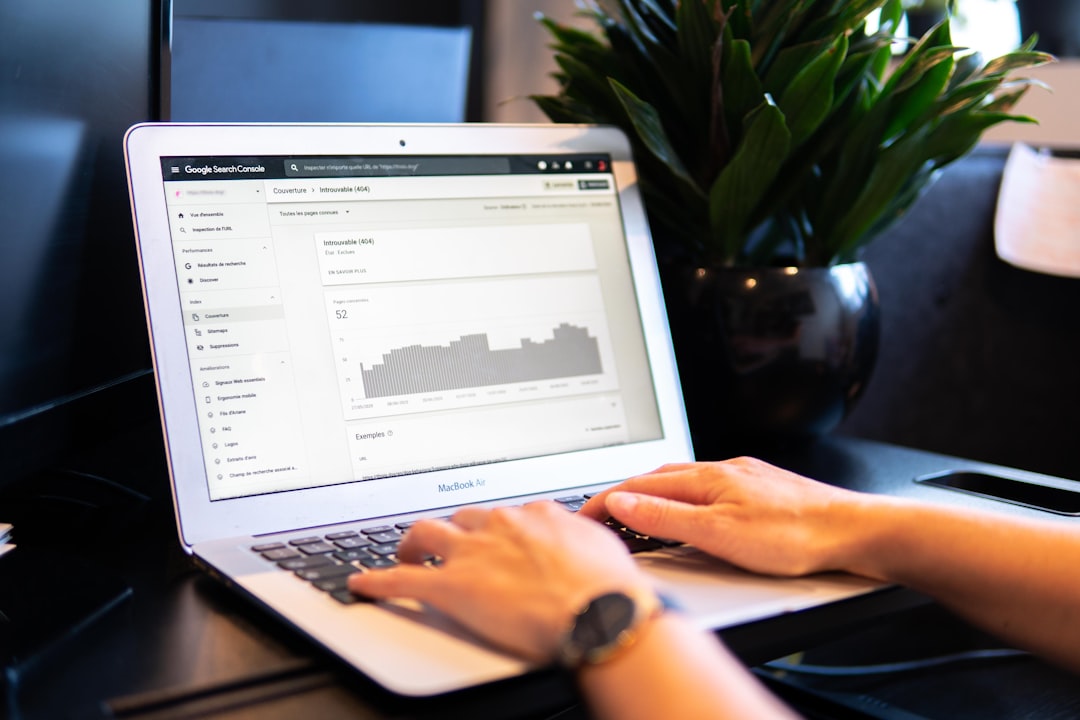
- Indexing: connect Google Search Console, submit a sitemap, and check that your trip pages are indexed.
- Speed on phones: compress photos, cut heavy sliders and pop-ups, and test pages on a phone over a weak signal.
- One address: make sure the http, https, www and non-www versions all point to one version of the site.
- Clean titles: every page needs its own title and meta description. No duplicates.
- Consistent name, address and phone: match your website, Google profile and directory listings exactly.
If you want someone to check all of this for you, ask for a free audit. We will tell you what is holding your pages back and what to fix first. Our SEO service can then handle the fixes for you.
6. Make every page easy to book from
Ranking only helps if the visitor books. A guest who has to call or email to check a date may book a competitor who lets them do it online.
Put a Book button near the top of every trip page. Show real open dates and a clear price, and take the deposit online. This also helps SEO indirectly, because a page people use and stay on is a page worth showing.
Guides and outfitters who want booking on their own site can look at RIVERRISE BOOKINGS. It runs on the website you already have, with no platform or booking fees (standard card processing applies).
7. Earn reviews and mentions that prove you are real
Google trusts businesses other people talk about. For a tour operator, that means reviews, local links and listings on sites guests already use.
- Reviews: ask after every trip with a direct link. Our post on getting more Google reviews has the timing and wording.
- Local partners: lodges, fly shops, outfitters, breweries and chambers of commerce often list guides. Ask to be included with a link.
- Tourism boards and park pages: many keep lists of licensed operators. Make sure you are on them.
- Marketplaces and directories: a listing on a booking marketplace or trade directory helps people find you. Keep your details the same everywhere.
Skip anyone selling links in bulk. Paid link schemes can hurt you, and a handful of real local links beats hundreds of junk ones.
8. Publish what changes week to week
Search engines and guests both reward fresh, specific information. A short weekly report in season gives Google new pages tied to the places and species people search. It also gives past guests a reason to come back.
Keep reports short: what the water, weather or animals did this week, what worked, and which dates are open. Add a photo or two from the trip. Link to the trip page that matches.
In the off-season, write the guides guests ask for: what to pack, licenses, when to book, and what a first trip is like. The same SEO practices for adventure companies apply to zipline, rafting and tour operators too.
9. Measure bookings, not just rankings
Rankings move around every day. Bookings are what pay the bills. Track the few numbers that tell you whether SEO is working.
- Clicks and searches in Google Search Console, by page.
- Calls, direction requests and website clicks in your Google Business Profile.
- Booking requests or completed bookings that started from organic search.
Check these once a month. If a trip page gets visits but no bookings, the page or the booking step needs work. If it gets no visits, the page needs better words or more links.
An off-season SEO checklist for tour operators
- Update every trip page with next season’s prices, dates and photos.
- Fill in every field on your Google Business Profile.
- Merge or rewrite pages that compete for the same search.
- Check indexing and phone speed in Search Console.
- Ask last season’s guests who never left a review.
- Ask two local partners for a listing and link.
- Plan one weekly report for the coming season.
Tour operator SEO questions
How long does SEO take for a tour operator?
Google Business Profile changes can show up within weeks. New trip pages usually take longer, often a few months, to settle into steady rankings. That is why the off-season is the right time to start, so the pages are working by the time guests plan next year’s trips.
Do I need a blog for SEO?
Not at first. Trip, place and season pages do most of the work. A blog or fishing report helps once those exist. It adds fresh pages that link back to your trip pages.
Can someone handle SEO for me?
Yes. RIVERRISE does this for guides, outfitters, lodges and tour companies from Bozeman, Montana, and works with operators across the country. See our SEO services for what is included, or ask for a free audit of your site.